
Medaka fry care guide
It All Begins Here
Best Containers for Housing Medaka Fry
When housing your Fry (baby fish) we recommend using a container or Tupperware of around 2-5 litres, this size is large enough to maintain stable water parameters whilst still allowing close observation of the fry. Choose a container which is made of food-grade material. plastics labelled 2, 4, or 5 are considered safe for fish and eggs, keep the water level around 3 inches. This will ensure the fry don’t use unnecessary energy moving through the water column looking for food.
The First 24 Hours after hatching
After hatching medaka fry carry a yolk sac attached to their bellies. This provides the nutrition they need for the first 24 to 36 hours. Adding food too early will not be eaten and only add ammonia to the nursery tank/container.
What to Do When Medaka Eggs Hatch at Different Times
Since eggs often hatch at different times, it is safer to separate the fry from the unhatched eggs, this is to prevent ammonia spikes coursed from feeding which can trigger bacterial growth on the unhatched eggs.
In my experience, it is easier to move the unhatched eggs using the included pipette rather than handling delicate newborn fry.
just remember to match the water temperature before transferring the eggs.
Feeding Medaka Fry
How to Feed Medaka Fry Using Powdered Food
Once the fry have absorbed their yolk sack, they can now feed. There are many excellent commercial powdered fry foods available, generally the finer the better. feed small amounts 2–6 times a day.
To prevent overfeeding a common challenge when handling fine powders we recommend dipping a small paintbrush into the powder and tapping over the surface evenly.
Feeding Egg Yolk to Medaka Fry
Feeding egg yolk is a an effective way to sustain Medaka fry during their first two weeks of life.
Feeding egg yolk can quickly foul the water, highly recommend adding snails to consume the excess and maintain water quality.
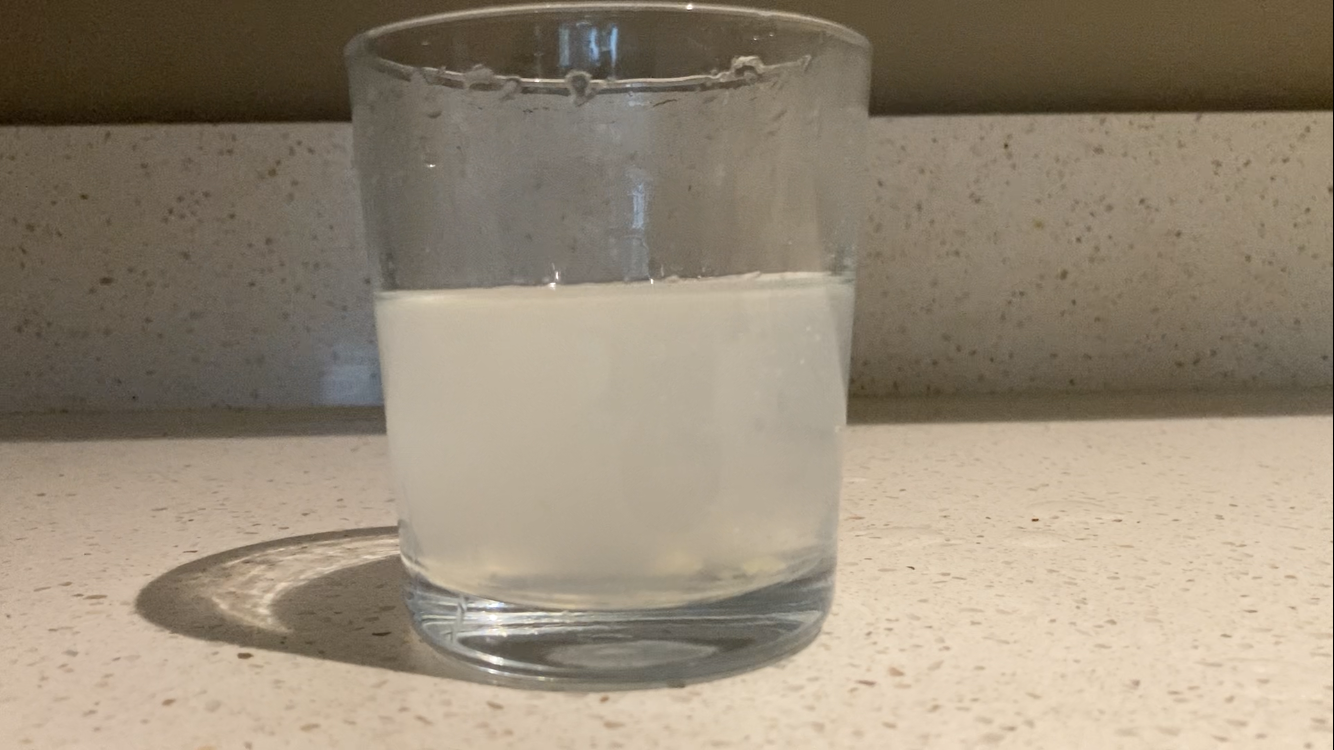
Take a pea-sized piece of Hard boiled egg yolk.
Crumble finely with your fingers into a container of water.
Extract the cloudy "yolk water" with pipette (included) and drip lightly to feed.
Using Aquarium Mulm/aquatic Compost for Medaka Fry
Mulm/aquatic compost is a brown or black mushy layer that builds up at the bottom of your aquarium, made of decomposed plant matter, fine sediments, and microorganisms. If you don't have any in your aquarium you can squeeze a mature sponge filter media into a container, once settled you will have a layer of mulm at the bottom.
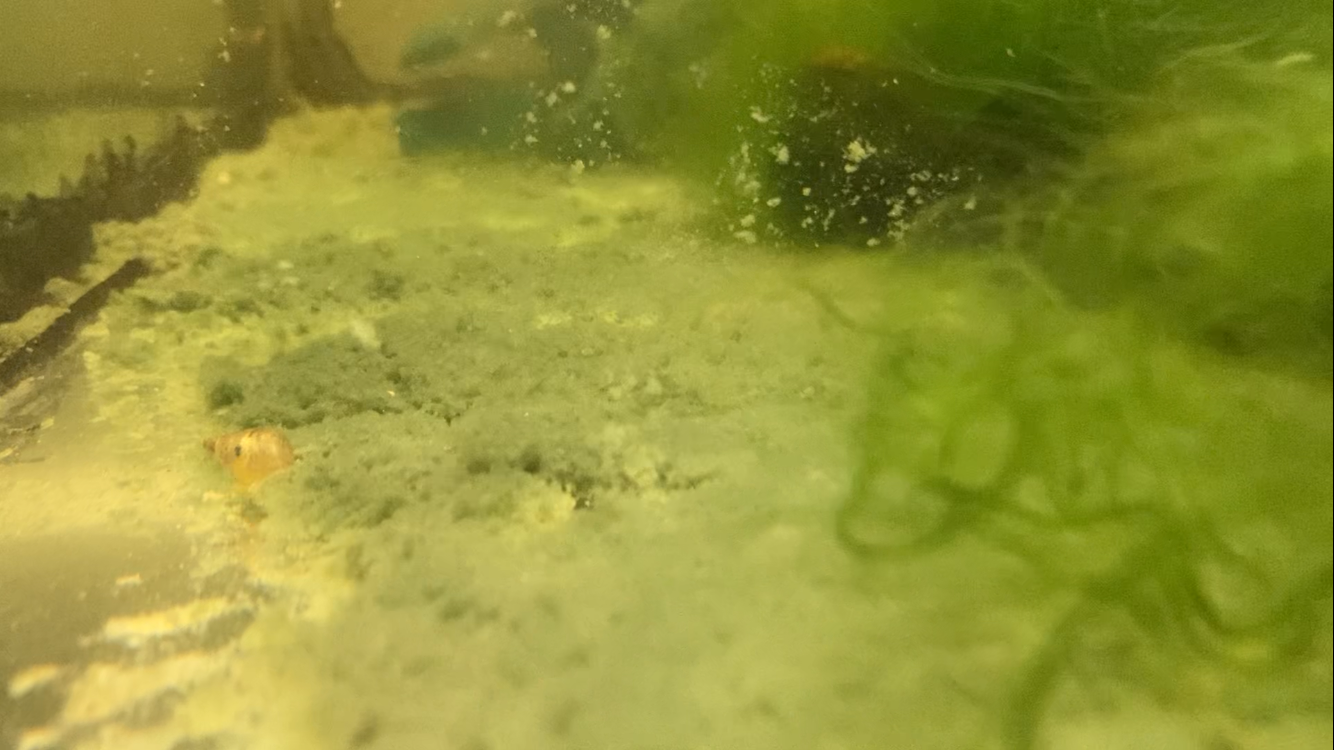
The Benefits of mulm-Adding mulm/aquatic compost for your fry provides microorganisms acting as a natural supplement food, whilst also supporting the beneficial bacteria needed to keep water parameters stable.
Biological Stability and Water Quality
Ideal Water Temperature for Medaka Fry
To ensure healthy growth, we recommend a water temperature between 20°C and 27°C. Staying within this range is important, dropping below 18°C will slow down development as well as weakening their immune system. Raising the temperature above 29°C can course deformation as well as increasing the fry's metabolic rate, causing them to develop faster externally than their internal organs can keep up with.
Adding Live Plants for Medaka Fry
Keeping live plants like Java Moss, water lettuce, or even hair algae in your nursery provides a natural biological filter that absorbs nitrates and ammonia keeping the water parameters stable. Floating plants like duckweed and water lettuce, are especially effective as they grow quickly absorbing nitrates faster than slower growing plants.
Water Changes for Medaka Fry
Change 10–20% of the water every 1 to 4 days, the amount and duration will depend on the induvial system. how much you feed will also be a factor. Use either established aquarium water or tap water that has been left to dechlorinate and reach the same temperature. However, if the water becomes foul or you notice signs of poor water quality, perform a 50% water change.
Keeping Snails With Medaka Fry
Snails are a excellent biological cleaners for a fry nursery. They eat leftover food that would otherwise rot and pollute your water. By acting as a natural cleanup crew, they help keep ammonia levels low and the environment stable. Important Note: Snails will eat Medaka eggs.